Quantitative Easing

Loosening monetary policy could be said to
help countries move out of a recession. Usually, the Central Bank would lower
interest rates in order to stimulate consumer spending, as consumers would then
have a greater incentive to borrow more money, and a disincentive to save their
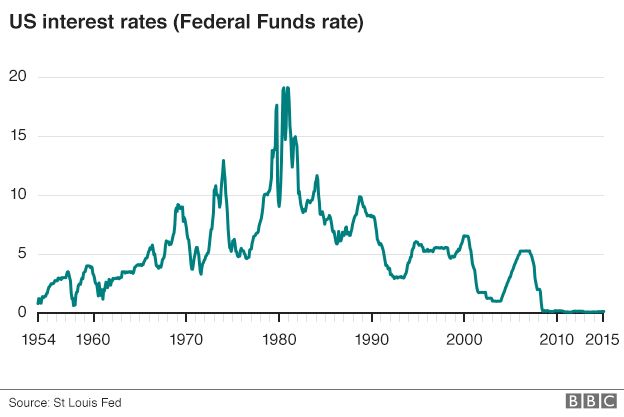
money. However, when nominal interest rates are almost at 0, and domestic
demand fails to increase, unconventional measures may need to be used, in order
to pull the economy out of the liquidity trap. In the wake of the recent
Financial Crisis, the Bank of England’s unconventional weapon of choice was
Quantitative Easing. This was instigated in order to increase liquidity and reduce long term interest rates, and so stimulate
consumer spending because, as Mervyn King stated at the time, interest rates
and fiscal stimulus did not increase consumer demand. Indeed, monetary policy
would be much easier and quicker to implement than a fiscal stimulus. Did
Quantitative Easing help the Bank meet its 2pc inflation target? Did it help
reduce the impact of the financial crisis?